One operating model across on-premises and cloud environments
NetApp Console™ puts every environment, workload, and decision in one place. No tool switching. No lost context. Just control.

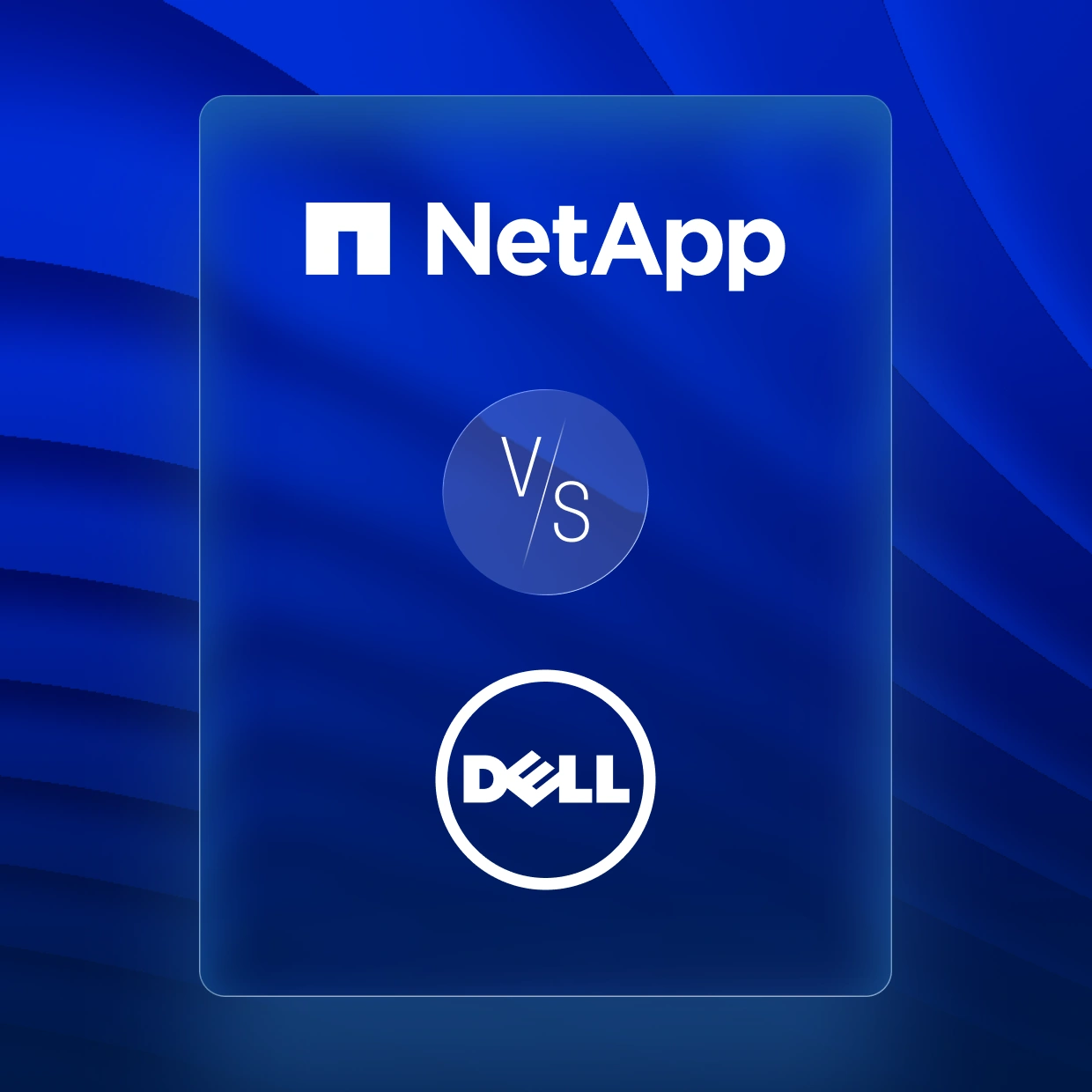
Discover why enterprises modernizing for AI, true hybrid cloud, and cyber resilience choose NetApp over Dell.
NetApp Console™ puts every environment, workload, and decision in one place. No tool switching. No lost context. Just control.
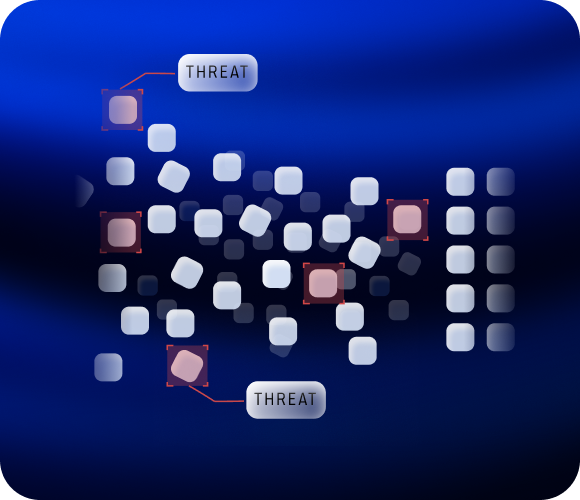
NetApp embeds AI-powered ransomware detection, granular access controls, and rapid recovery directly into your storage. Unlike competitors who rely on bolt-on tools, NetApp secures your AI pipeline where it matters most: at the source.
NetApp® ONTAP® delivers consistent high performance, availability, and built-in security, whether on-premises or in the cloud—helping you turn data into a strategic advantage.
Move AI workloads across environments without re-architecting or adding additional tools. NetApp ONTAP is available as a first-party service in AWS, Microsoft Azure, and Google Cloud, helping you run and manage data-rich workloads wherever they perform best.
NAND prices are on the rise, but your budget doesn't have to feel the heat. Get ahead of the curve with 6 strategies to optimize capacity, maximize efficiency, and protect your IT spend.
https://www.netapp.com/blog/rising-nand-flash-costs-6-strategies-to-optimize-it-spend/
| FEATURE | NETAPP | DELL |
|---|---|---|
Hybrid cloud integration | Native, first-party integration with AWS, Azure, and Google Cloud through a single operating system, NetApp ONTAP | Cloud capabilities limited to isolated platforms, leaving no cloud options for many key storage products |
Security | Built-in, AI-powered detection at the storage layer, backed by the NetApp Ransomware Recovery Guarantee | Typically relies on third-party tools or bolt-on solutions, which add cost and complexity |
Unified management | One control plane across | Multiple management tools across a fragmented portfolio |
Availability | 100% Data Availability Guarantee on | Markets high availability without any guarantees or third-party validation |
Data tiering | Automated tiering moves cold data to lower-cost storage | Most storage platforms don’t support native tiering |
Learn how NetApp outperforms Dell in proactive data protection. Secure your AI workloads and defend against ransomware with snapshots that no one can delete.
Source: Thor svg
Source: AGL svg
Source: Barkeley svg
NetApp solutions detect potential threats in real time and help you recover data, applications, and workloads—in just minutes.
Partner: Strengthen resilience - with BG
AI requires a data foundation, not just infrastructure, to keep data accessible, governed, and ready to move at scale.
Partner: Scaled AI - Dell Logo - with BG
NetApp delivers a consistent experience across the world’s leading clouds—helping you move data freely, simplify management, and support AI wherever it runs.
Partner: Cloud transformation Logo : with BG
Strengthen your last line of defense with AI-powered ransomware detection and response.
Partner: Ransomeware Logo Dell Vs Netapp Logo : with BG
https://www.netapp.com/cyber-resilience/ransomware-protection/
Step: 01
The core difference is architecture and operating model. NetApp manages storage and data consistently across on-premises and the major public clouds through a single operating system, ONTAP. Dell relies on multiple incompatible storage products and separate management tools, which create operational silos and make it harder to move and synchronize data as environments grow.
Step: 02
NetApp builds ransomware detection and recovery directly into the storage layer, with AI-powered detection, truly immutable snapshots, and the NetApp Ransomware Recovery Guarantee. Dell relies on additional third-party tools, which add cost and complexity.
Step: 03
NetApp is designed for AI at scale. Running AI in production requires a data foundation that makes costs predictable, keeps data accessible, and enforces governance as workloads grow. NetApp delivers a unified pipeline with automated tiering, built-in data privacy controls, and seamless mobility across environments. Dell’s heavy focus on compute means the data foundation for production AI is often underbuilt.
Step: 04
Yes. NetApp backs mission-critical workloads with a 100% Data Availability Guarantee on ASA systems, supported by IDC-audited customer data confirming six-nines-plus availability. Dell does not offer a comparable guarantee.
Step: 05
Migration is designed to be low-risk and non-disruptive. NetApp specialists guide you through each stage, and you don’t need to replace everything at once.
Step: 06
NetApp helps reduce TCO through automated data tiering—which moves cold data to lower-cost storage and shrinks your on-premises flash footprint—and through consolidated data management.